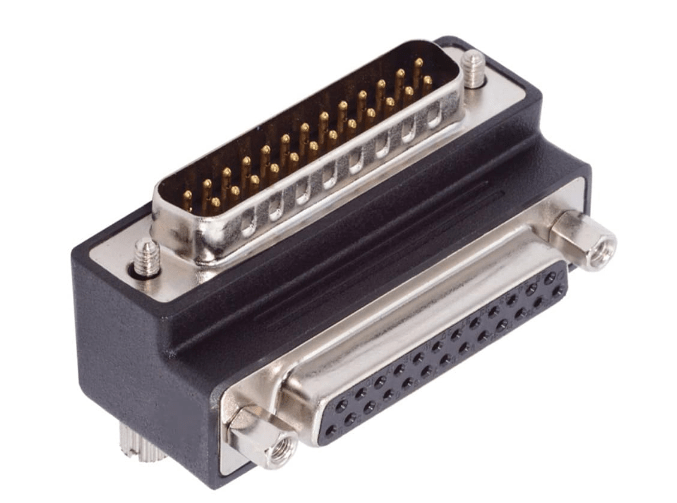
The 50-pin SCSI-2 refers to the second-generation standard of the Small Computer System Interface (SCSI) with a 50-pin configuration, commonly used in servers, mass F-Connector: RF/Coaxial Cable Interface
The F-connector is a widely used threaded RF (Radio Frequency) connector designed for coaxial cables, primarily used to transmit high-frequency signals such as television, satellite, cable TV, and internet data. Its robust design, low signal loss, and ease of installation have made it a staple in both consumer and professional RF systems.
1. Design and Physical Characteristics
- Structure:
- A cylindrical, threaded connector with a central pin (conductive core) that connects to the inner conductor of the coaxial cable.
- The outer shell (typically made of brass or nickel-plated metal) threads onto a matching port, ensuring a secure, weatherproof seal when tightened.
- Coaxial Cable Compatibility:
- Used with various coaxial cable types, including RG-6 (most common for home use, e.g., cable TV, satellite), RG-59 (older, for CCTV or low-frequency signals), and RG-11 (thicker, for long-distance commercial installations).
- The connector attaches by stripping the cable’s outer jacket, shielding, and insulation to expose the inner conductor, which is crimped, screwed, or compression-fitted to the F-connector.
2. Key Functions and Signal Transmission
- RF Signal Support:
- Transmits high-frequency signals ranging from 5 MHz to 3 GHz (and beyond in professional versions), suitable for:
- Analog/digital TV (terrestrial, cable, satellite).
- Broadband internet (DOCSIS 3.1 and earlier, via cable modems).
- CCTV (closed-circuit television) systems.
- Radio communication and satellite links.
- Transmits high-frequency signals ranging from 5 MHz to 3 GHz (and beyond in professional versions), suitable for:
- Impedance:
- Standardized at 75 ohms for consumer applications (TV, internet), matching the impedance of coaxial cables to minimize signal reflection and loss.
3. Types of F-Connectors
F-connectors vary by installation method and application:
- Crimp-On F-Connectors:
- Attached using a crimping tool to compress the connector’s metal sleeve onto the cable, creating a secure, permanent seal.
- Popular in professional installations for their reliability.
- Twist-On (Screw-On) F-Connectors:
- Screwed onto the cable without tools, making them ideal for DIY projects.
- Less secure than crimp-on types but convenient for quick repairs.
- Compression F-Connectors:
- Use a compression tool to deform the connector’s body around the cable, providing a tight, weather-resistant seal.
- Preferred for outdoor installations (e.g., satellite dishes) due to their durability against moisture.
- Right-Angle F-Connectors:
- Bent at 90 degrees to save space in tight installations (e.g., behind TVs or wall plates).
4. Applications
- Consumer Electronics:
- Connecting cable/satellite boxes to TVs or modems.
- Linking antennas to TVs for over-the-air (OTA) broadcasts.
- CCTV cameras to DVRs or monitors.
- Professional Use:
- Telecommunication networks (cell towers, fiber-to-coax converters).
- Broadcast studios for signal distribution.
- Outdoor satellite dishes and microwave links, where weatherproofing is critical.
5. Advantages
- Low Signal Loss: The threaded design ensures a tight connection, minimizing RF leakage and signal degradation—critical for high-frequency data (e.g., 4K TV, high-speed internet).
- Weather Resistance: When properly installed (with waterproof gaskets or tape), F-connectors withstand rain, humidity, and temperature extremes, making them suitable for outdoor use.
- Cost-Effective: Simple to manufacture and install, reducing overall system costs compared to specialized RF connectors.
- Versatility: Compatible with a wide range of coaxial cables and devices, ensuring interoperability across brands and applications.
6. Limitations
- Size Constraints: Bulkier than small connectors (e.g., BNC), making them less suitable for compact devices.
- Installation Skill: Crimp-on/compression types require tools and precision; poor installation (e.g., loose threads, exposed shielding) can cause signal loss or interference.
- Frequency Limits: While sufficient for most consumer needs, they may not perform optimally at extremely high frequencies (above 10 GHz) compared to specialized connectors like N-type.
7. Comparison with Other RF Connectors
| Connector | F-Connector | BNC Connector | N-Type Connector |
|---|---|---|---|
| Impedance | 75 ohms (consumer) / 50 ohms (rare) | 50 ohms (common) / 75 ohms | 50 ohms (standard) |
| Frequency Range | Up to 3 GHz (consumer) | Up to 4 GHz | Up to 110 GHz |
| Use Case | TV, cable internet, CCTV | Test equipment, CCTV | Commercial telecom, radar |
| Installation | Threaded (screwed) | Bayonet (twist-lock) | Threaded (precision) |
8. Installation Tips
- Proper Stripping: Ensure the coaxial cable’s inner conductor, insulation, shielding, and jacket are stripped to the correct lengths to avoid short circuits or signal loss.
- Tightening: Hand-tighten first, then use a wrench for an extra ¼ turn (avoid over-tightening, which can damage the connector).
- Weatherproofing: For outdoor use, wrap connections with self-amalgamating tape or use weatherproof boots to prevent moisture ingress.
Conclusion
The F-connector is a workhorse of RF systems, balancing performance, affordability, and ease of use. Its ability to reliably transmit high-frequency signals—from TV broadcasts to internet data—has cemented its role in both home and professional setups. While digital interfaces like HDMI dominate video transmission, the F-connector remains essential for RF-based services, ensuring seamless connectivity in the evolving landscape of telecommunications.





















Leave a comment