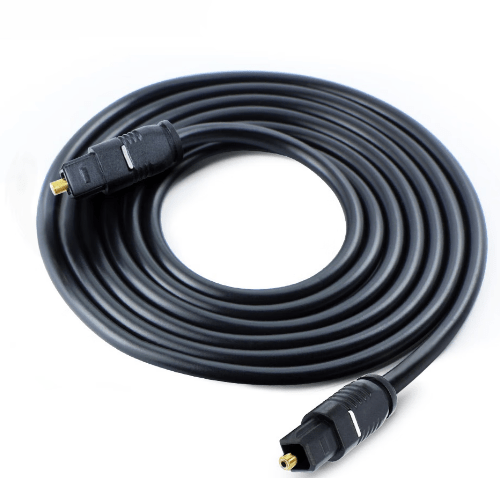
I. Definition and Origin of Toslink
Toslink is a fiber optic audio transmission standard developed by Toshiba (Japan) in 1983, short for “Toshiba Link,” which later became a widely recognized specification for fiber optic audio interfaces in the industry. Its technical core lies in transmitting digital audio data via optical signals, offering advantages such as electromagnetic interference resistance, longer transmission distance, and lower sound quality loss compared to traditional analog interfaces (e.g., 3.5mm headphone jacks, RCA phono jacks).
II. Interface Form and Connection Method
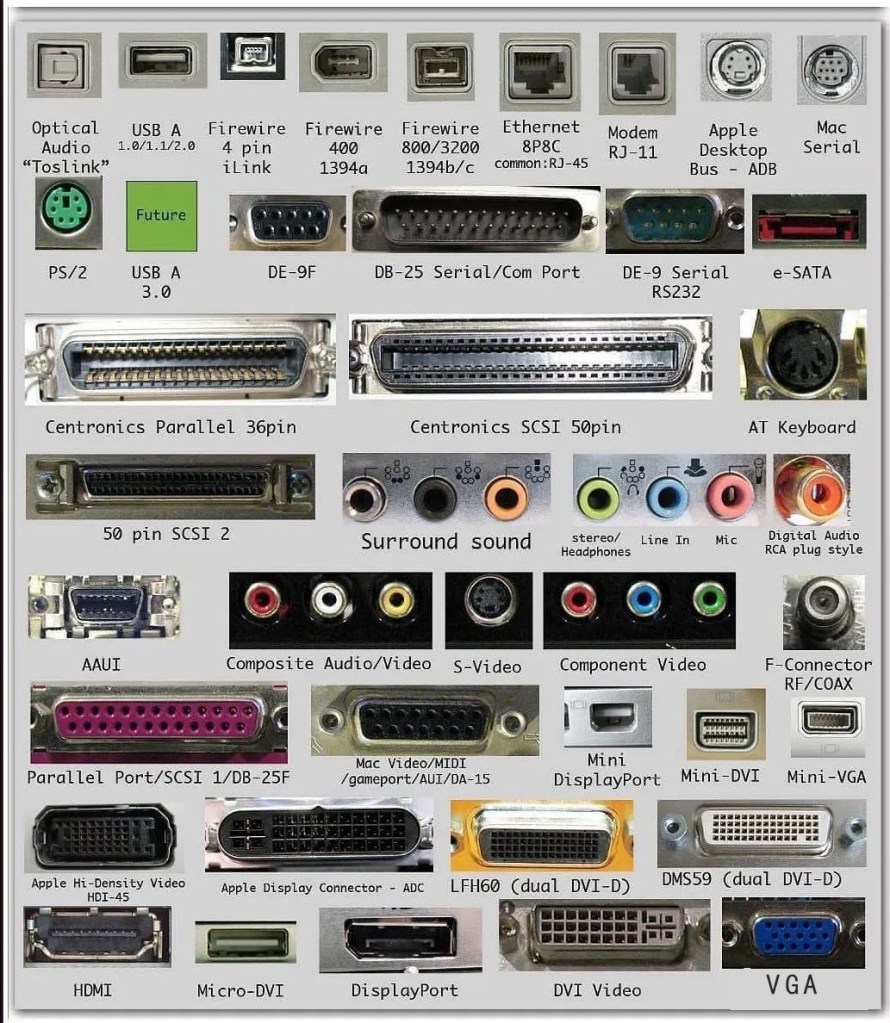
The Toslink interface is typically square-shaped, with an infrared light-emitting diode (LED) or laser transmitter integrated inside the port for emitting optical signals. It is commonly found on devices like audio systems, TVs, and game consoles, marked as “Optical Out” or “Toslink.” The connection uses an optical fiber cable (Optical Cable), with Toslink interfaces at both ends. The internal core consists of glass or plastic optical fibers, protected by an outer layer to prevent bending damage.
III. Audio Formats and Transmission Capability
- Supported Formats: It can transmit PCM stereo signals (e.g., from CDs or TVs) and compressed multi-channel surround sound encodings like Dolby Digital and DTS (5.1 channels), but does not support lossless multi-channel formats such as Dolby TrueHD or DTS-HD MA.
- Transmission Rate: Up to approximately 15Mbps, sufficient for conventional digital audio needs but limited for high-bitrate lossless audio.
IV. Application Scenarios
- Home Audio-Visual Systems: Connecting TVs to Soundbars or AV amplifiers for transmitting movie audio, or linking game consoles (e.g., PS, Xbox) to speakers for enhanced gaming audio.
- Music Equipment: Connecting CD players, DAC decoders, and amplifiers to optimize audio decoding quality.
- Portable Devices: Some high-end headphones or portable sound cards use Toslink interfaces for lossless audio transmission.
V. Analysis of Advantages and Disadvantages
Advantages:
- Strong anti-interference: Optical signals remain unaffected by electromagnetic environments, ensuring pure sound quality, especially in complex electromagnetic scenarios.
- Long transmission distance: Optical fiber cables support 10–15 meters of transmission, outperforming most analog cables.
Limitations:
- Inadequate support for lossless multi-channels: Unable to transmit formats like Dolby TrueHD from Blu-ray discs, making HDMI more preferable for high-end home theaters.
- Physical constraints: Excessive bending of optical fiber cables easily causes signal attenuation, affecting transmission stability.
- Bandwidth limitations: Lower transmission rates than HDMI, unable to meet requirements for 8K video or higher-bitrate audio.
VI. Differences from Other Interfaces
- HDMI ARC/eARC: Transmits digital audio via electrical signals, supporting lossless multi-channel formats like PCM and Dolby TrueHD, ideal for high-end scenarios requiring simultaneous audio-visual transmission.
- 3.5mm analog interface/RCA: Transmits analog stereo signals, suitable for portable devices or entry-level audio connections, but with weaker anti-interference capabilities.
VII. Usage Precautions
- Cable Selection: Prioritize optical fiber cables from reputable brands to avoid signal loss caused by inferior quality.
- Interface Maintenance: Regularly clean the interface with a dust-free cloth to prevent dust from affecting optical signal transmission.
- Wiring Specifications: The bending radius of optical fiber cables should not be less than 5 cm to avoid excessive bending that impacts stability.
- Scenario Adaptation: For lossless multi-channel audio transmission, choose HDMI interfaces first; Toslink is more suitable for general home audio-visual needs.
Conclusion
As an iconic standard for optical audio, Toslink offers anti-interference advantages in digital audio transmission, suitable for scenarios requiring signal purity. However, with the popularization of HDMI technology, its application in high-end audio-visual fields is gradually being replaced. In practical use, select appropriate interfaces and cables based on device requirements (e.g., audio format, transmission distance).





















Leave a comment