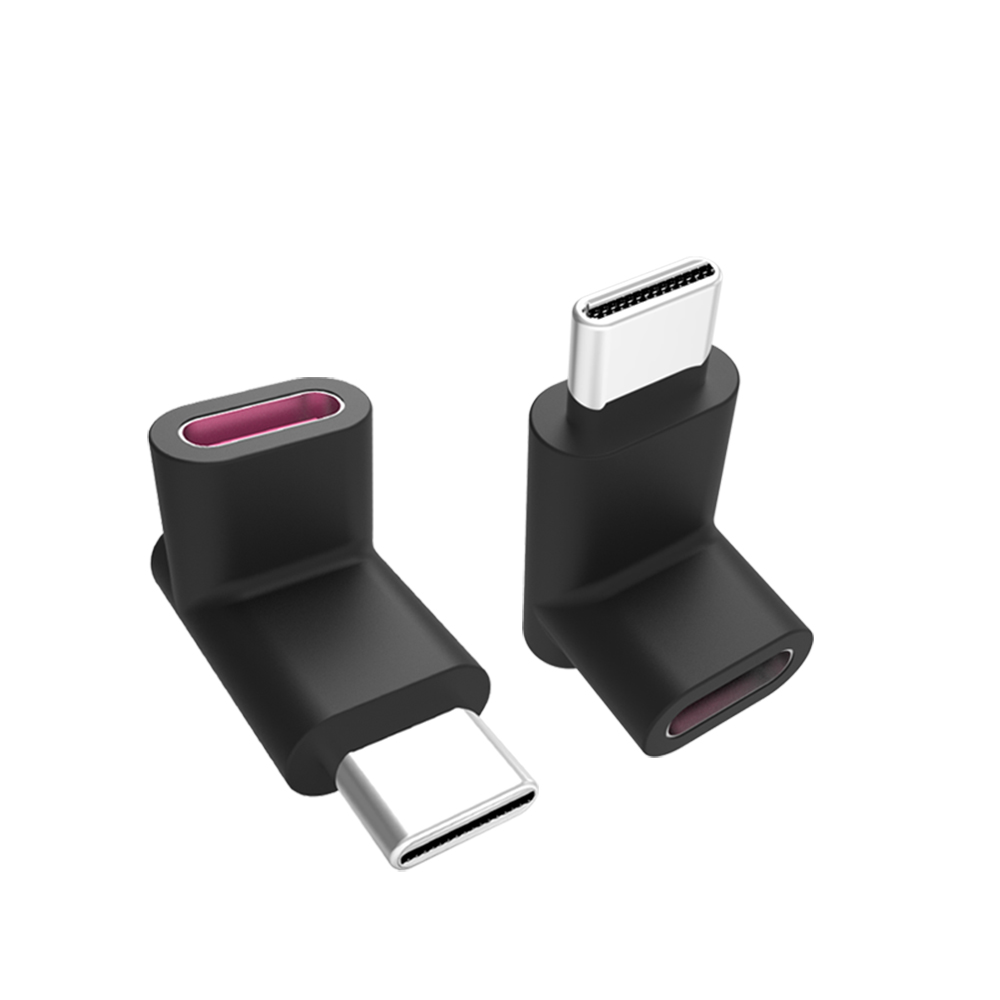
5.1 Supply Chain Restructuring
The widespread adoption of Type-C interfaces has prompted connector manufacturers such as TE Connectivity and Molex to upgrade their production capacity, with investments in automated equipment increasing by over 40%. Meanwhile, the third-party accessory market has experienced explosive growth, with the Type-C-related accessory market size projected to reach $8.2 billion by 2027.
5.2 Environmental Benefits
The durability of Type-C interfaces reduces electronic waste generation, and their repairable design extends device lifecycles by 30%. The EU has enacted legislation requiring all mobile devices to adopt Type-C interfaces starting in 2026, which will accelerate industry standardization efforts.
5.3 Changes in User Behavior
The full-featured capabilities of Type-C have altered users’ peripheral usage habits. Surveys indicate that 68% of users prefer devices equipped with Type-C interfaces. This preference is driving OEM manufacturers to accelerate product iterations, creating a virtuous cycle of technological advancement.





















Leave a comment