1.1 Reconstruction of Physical Form
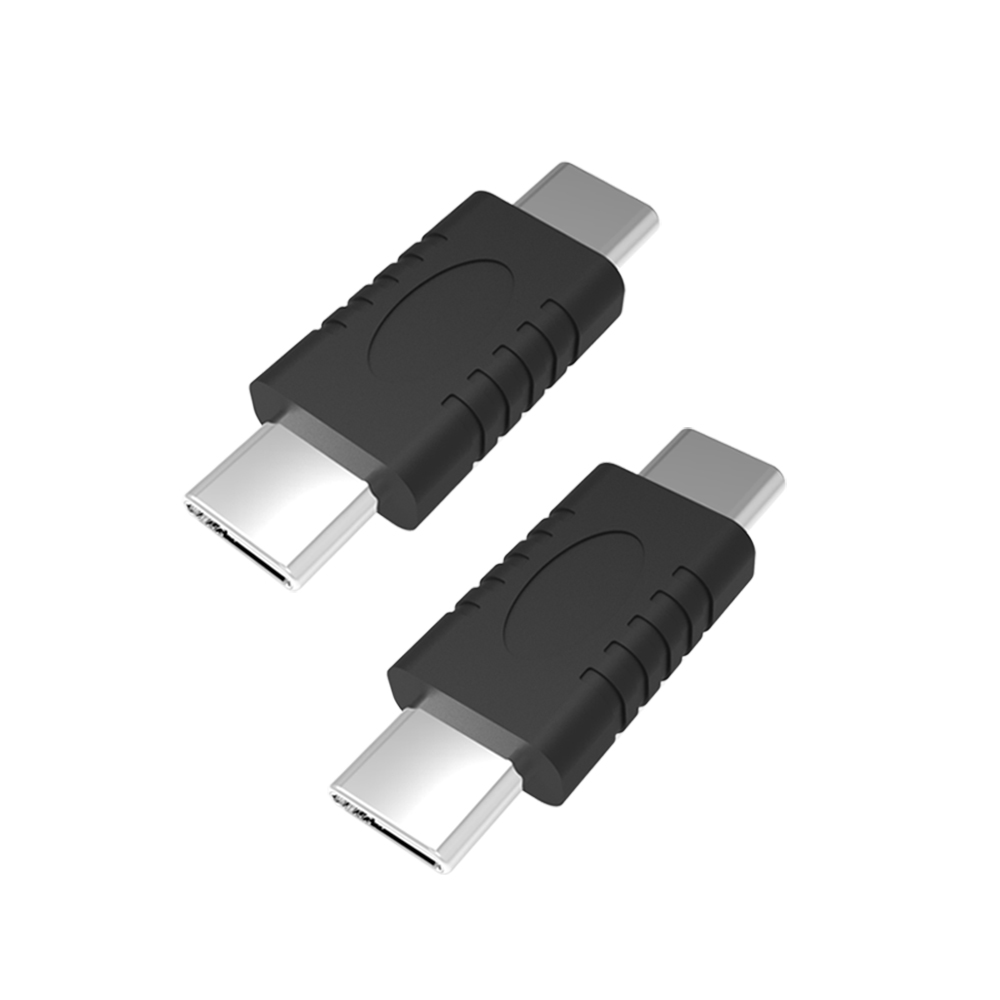
The traditional Type-A interface uses a rectangular design measuring 12.4mm × 4.5mm, whose bulky size stands out awkwardly in the trend toward thinner and lighter mobile devices. This design originated from the mechanical strength requirements of early USB standards but sacrificed portability. The Type-C interface adopts an elliptical design measuring 8.3mm × 2.5mm, reducing its volume by approximately 45% while enabling direction-independent plugging and unplugging. This innovation is underpinned by the precise layout of a 24-pin array, with each pin spaced just 0.5mm apart.
1.2 Mechanical Design Philosophy
The Type-A interface’s anti-misinsertion design relies on physical grooves, a mechanical solution that can lead to interface damage in frequent insertion and removal scenarios. The Type-C interface uses CC (Configuration Channel) pins for intelligent direction recognition. When reverse insertion is detected, the controller automatically adjusts the data transmission direction. This electronic solution extends the interface’s lifespan by over three times.
1.3 Advances in Materials Science
The new-generation Type-C connector uses liquid silicone rubber (LSR) injection molding technology. Compared to the metal housing of Type-A, it offers better corrosion resistance (salt spray test up to 72 hours) and shock resistance (insertion/removal lifespan exceeding 10,000 cycles). The contact terminals use gold-plating technology, with contact resistance stabilized below 50mΩ, far lower than the typical 200mΩ value of Type-A.





















Leave a comment