In the digital era, the popularity and interconnection of various electronic devices have become an indispensable part of people’s life and work. The emergence of Type-C interface has completely changed our perception of the connection interface. In this article, we will discuss the definition, characteristics, applications and future development trends of Type-C interface, and bring you to understand this revolutionary connection technology.
First, the definition and characteristics of Type-C interface
Definition: Type-C interface, also known as USB-C interface, is a new connection standard, developed by the USB-IF (USB Implementers Forum), used to connect electronic devices and chargers.
Features:
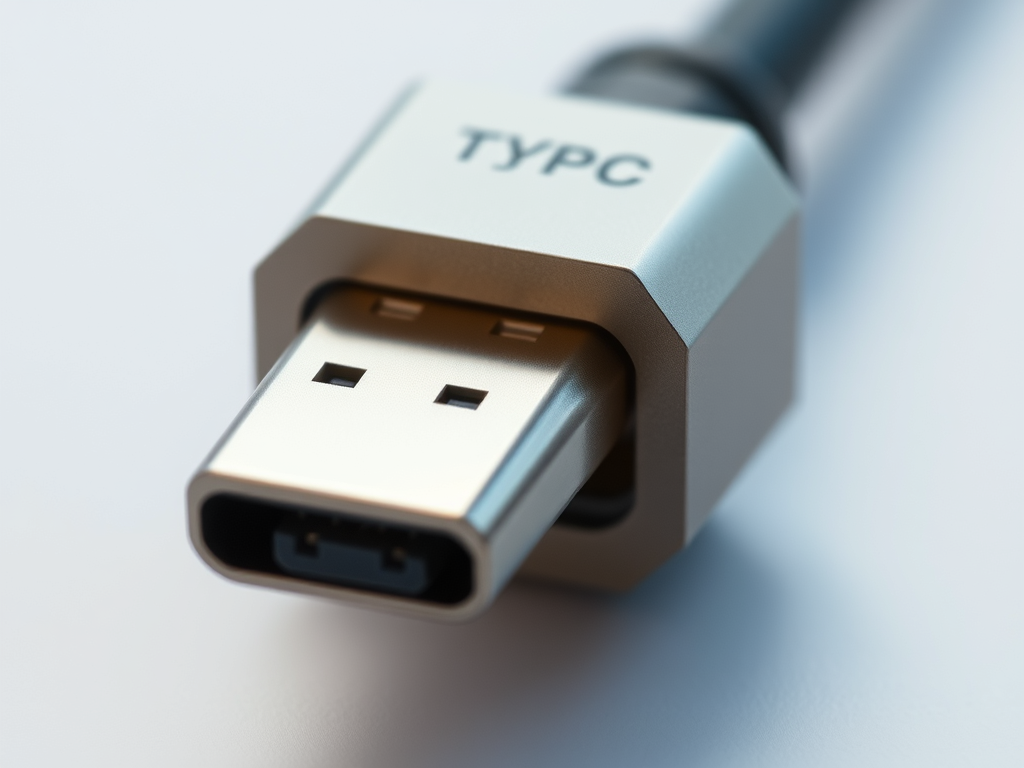
Reversible: The Type-C interface adopts a symmetrical design, which enables plugging and unplugging in both positive and negative directions, avoiding the problem of difficult insertion of traditional interfaces.
Compact and portable: Type-C interface is more compact than traditional interfaces, which is suitable for thin and light devices, and can realize the integration of multiple functions.
High-speed transmission: Type-C interface supports high-speed transmission standards such as USB 3.1 and Thunderbolt 3, with faster data transfer speeds and higher bandwidth.
Second, the application areas of Type-C interface
Mobile devices: Type-C interface has become the standard interface of many smart phones, tablets and laptops for data transmission, charging and connecting external devices.
Peripherals: The Type-C interface supports the integration of a variety of functions, and can be connected to displays, storage devices, audio devices, cameras and other external devices.
Chargers and power adapters: The high power transfer capability of the Type-C interface makes it ideal for chargers and power adapters, with faster charging speeds and better compatibility.
III. Future Development Trends
Ecosystem expansion: As the Type-C interface becomes more popular, more and more devices are adopting the Type-C interface, forming a larger ecosystem with more connectivity and compatibility options.
Technology upgrade: The Type-C interface will continue to evolve, and in the future may support higher data transfer speeds, higher power transfer capabilities, and may incorporate more features and protocols.
Innovative applications: The flexibility and scalability of the Type-C interface provides room for innovative applications, such as virtual reality devices, smart home devices, and more.
Conclusion:
As an all-encompassing innovation in modern connectivity, the Type-C interface is gradually becoming the standard interface for all types of electronic devices due to its reversibility, compactness and portability, and high-speed transmission. Its application areas cover a wide range of mobile devices, peripherals, chargers and other fields, providing users with a more convenient and efficient connection experience. In the future, the Type-C interface will continue to grow and expand its ecosystem, providing more innovative applications and technological upgrades, and offering more possibilities for the connectivity needs of the digital world.





















Leave a comment