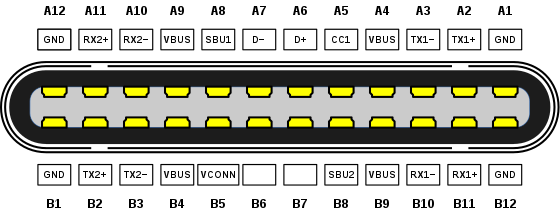
The Type-C interface is also known as the USB-C interface.
Measuring 8.3 × 2.5 millimeters, the USB-C connector is smaller than the current USB ports found on PCs but slightly larger than the 6.85 × 1.8 millimeter micro-USB connectors used in many smartphones. Regarding power delivery specifications, the cable standard supports 5V DC at 5A, while the connector itself supports 3A. Since Type-C is incompatible with any existing connector types, additional adapter devices require design. The world’s first USB 3.1 host and device prototypes were unveiled by ASMedia at the 2014 USB-IF Annual Conference.
Brad Saunders, Chairman of the USB 3.0 Promoter Group, stated in an interview: “While USB technology remains the most popular for device connectivity and charging, we recognized the need to develop a new connector to meet evolving design trends—such as advances in device size and usability. The new USB-C connector will address market demands and lay the foundation for future USB versions.”
USB Type-C was announced in late 2013, with mass-produced products emerging in 2014. After years of development, it has now become the mainstream USB interface.
Currently, not only do most newly released smartphones support Type-C connectors, but laptops, digital cameras, smart speakers, power banks, and other devices have also begun adopting USB interfaces compliant with the Type-C specification. For instance, Apple has fully transitioned its MacBook lineup to exclusively USB Type-C ports for data transfer and charging. Market rumors further suggest Apple may adopt USB Type-C for future iPhone models.
The USB4 standard released by USB-IF on September 3, 2019, explicitly announced support exclusively for Type-C connectors.
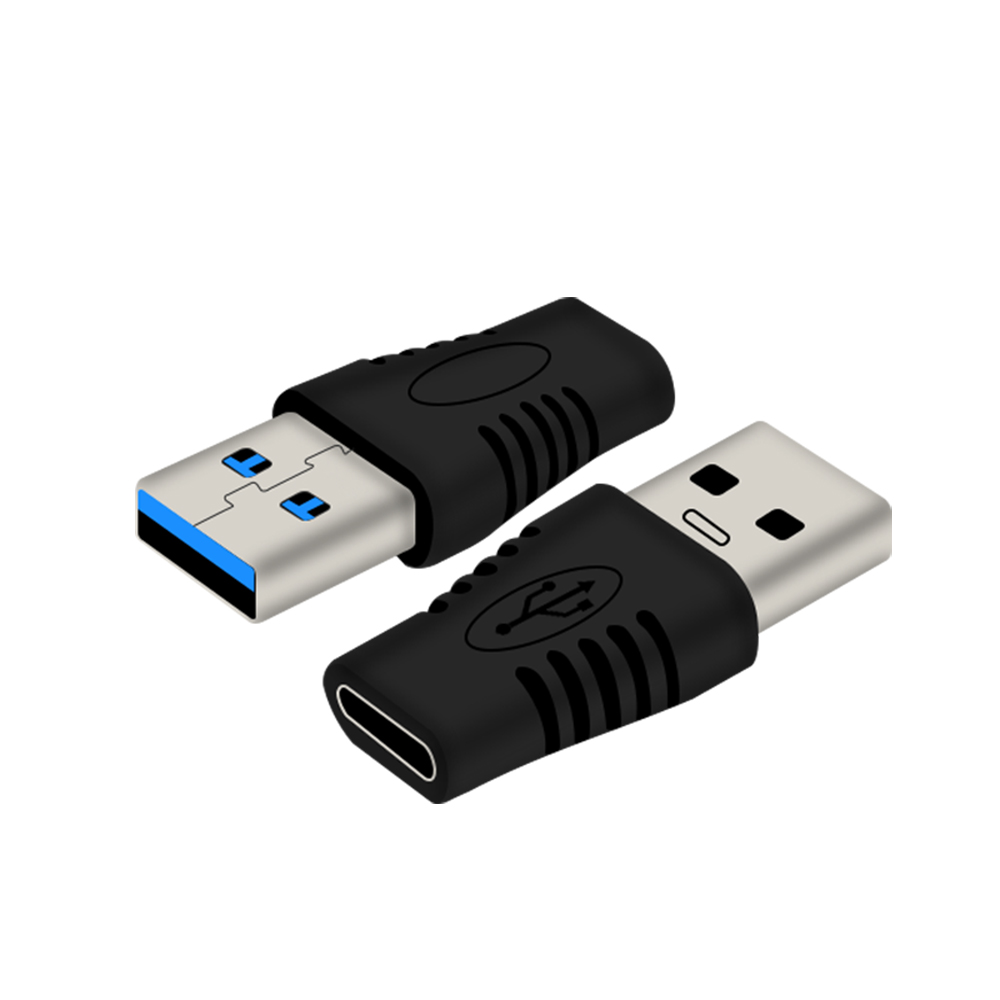
USB TYPE-C female

USB TYPE-C MALE





















 Ruigu Electronic
Leave a comment