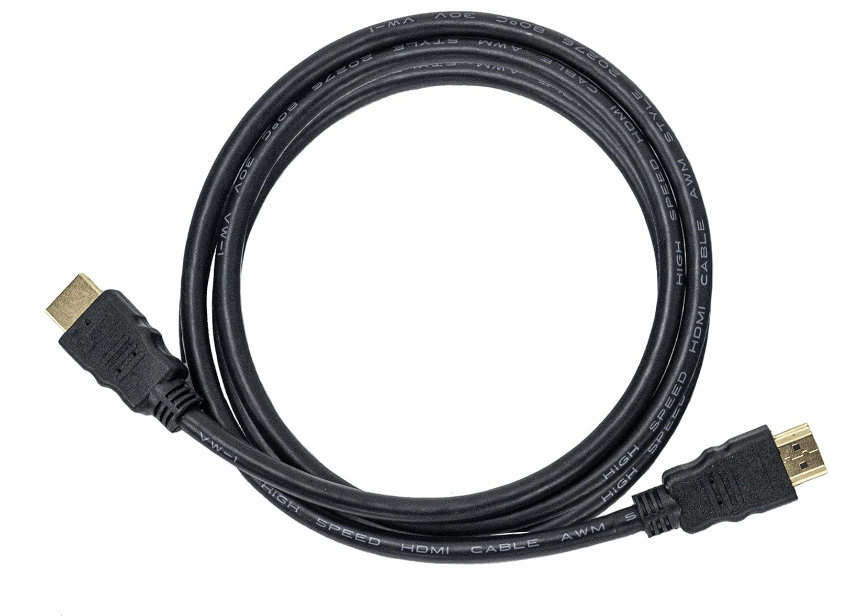
HDMI is a widely used digital interface for transmitting high-definition video and audio signals between devices. It has become the standard connection for a vast range of consumer electronics, professional equipment, and home entertainment systems due to its simplicity, versatility, and ability to carry both audio and video over a single cable. Below is a comprehensive overview:
1. Core Features and Purpose
- All-in-One Signal Transmission: HDMI combines uncompressed digital video, multi-channel audio, and even additional data (such as Ethernet or control signals in some versions) into a single cable, eliminating the need for separate audio (e.g., RCA, optical) and video (e.g., DVI, VGA) cables.
- High Bandwidth: Supports high resolutions, refresh rates, and color depths, making it suitable for everything from standard HD (720p/1080i) to 4K, 8K, and even beyond, depending on the HDMI version.
- Plug-and-Play: Most HDMI devices automatically detect and configure settings (like resolution and refresh rate) when connected, simplifying setup for users.
2. Key Versions and Capabilities
HDMI has evolved through multiple versions, each introducing new features to keep up with advancements in display technology. Here are major versions and their highlights:
| Version | Release Year | Key Capabilities |
|---|---|---|
| HDMI 1.0 | 2002 | Initial version: Supports up to 1080i resolution, 8-channel audio (up to 24-bit/192kHz). |
| HDMI 1.3 | 2006 | Introduces support for 1080p, deeper color (30/36/48-bit), and Dolby TrueHD/DTS-HD audio. |
| HDMI 1.4 | 2009 | Adds 4K resolution (3840×2160 at 24Hz), HDMI Ethernet Channel (HEC), and Audio Return Channel (ARC). |
| HDMI 2.0 | 2013 | Boosts 4K support to 60Hz, increases bandwidth to 18Gbps, and adds support for HDR (High Dynamic Range) and 32 audio channels. |
| HDMI 2.1 | 2017 | Major upgrade: Supports 4K at 120Hz, 8K at 60Hz, 10K resolution, Variable Refresh Rate (VRR), Auto Low Latency Mode (ALLM), and Enhanced Audio Return Channel (eARC). Bandwidth jumps to 48Gbps. |
3. Common Applications
HDMI is ubiquitous across devices, including:
- Displays: TVs, monitors, projectors, and laptops.
- Source Devices: Blu-ray players, gaming consoles (e.g., PlayStation, Xbox), streaming devices (e.g., Roku, Apple TV), set-top boxes, and computers.
- Professional Equipment: Cameras, video switchers, and AV receivers in studios or conference rooms.
4. Connector Types
HDMI connectors come in several sizes to fit different devices:
- Standard HDMI (Type A): The most common type, used for TVs, monitors, and most source devices.
- Mini HDMI (Type C): Smaller than Type A, found in cameras, tablets, and some laptops.
- Micro HDMI (Type D): Even smaller, used in compact devices like smartphones, action cameras, and portable media players.
- HDMI 2.1 Type E: Designed for automotive use, with enhanced durability and resistance to vibration.
5. Additional Features
- Audio Return Channel (ARC) / Enhanced ARC (eARC): ARC allows audio to flow back from a TV to a soundbar or AV receiver via the same HDMI cable, eliminating the need for a separate audio cable. eARC (introduced in HDMI 2.1) supports higher-quality audio formats like Dolby Atmos and DTS:X.
- HDMI Ethernet Channel (HEC): Available in HDMI 1.4 and later, HEC adds an Ethernet channel to the cable, enabling internet connectivity for connected devices (though less commonly used today with Wi-Fi).
- Variable Refresh Rate (VRR): A HDMI 2.1 feature that syncs the display’s refresh rate with the source device (e.g., a gaming console), reducing screen tearing and stuttering for smoother gameplay.
- High Dynamic Range (HDR): Supported in HDMI 2.0 and later, HDR enhances contrast and color accuracy, delivering more lifelike images on compatible displays.
6. Advantages
- Simplicity: One cable replaces multiple audio and video cables, reducing clutter.
- High Performance: Supports cutting-edge resolutions (8K), refresh rates (120Hz+), and audio formats.
- Widespread Compatibility: Works with nearly all modern AV devices, ensuring interoperability.
7. Limitations
- Cable Length Restrictions: Standard HDMI cables may suffer signal loss beyond 5–7 meters. For longer distances, active or fiber-optic HDMI cables are required, which are more expensive.
- Version Confusion: Not all HDMI cables support the latest features (e.g., HDMI 2.1 cables are needed for 8K or 4K/120Hz). Users must ensure cables match their devices’ capabilities.
- Proprietary Licensing: HDMI is a licensed standard, which can add costs for manufacturers (though this is rarely passed directly to consumers).
Conclusion
HDMI has revolutionized how we connect devices, becoming indispensable in home entertainment, gaming, and professional settings. With ongoing updates (like HDMI 2.1 and beyond), it continues to adapt to new technologies, ensuring it remains a critical interface for high-definition audio and video transmission.





















 Ruigu Electronic
Leave a comment